Every Piece Remembers: Digital Passports for Furniture
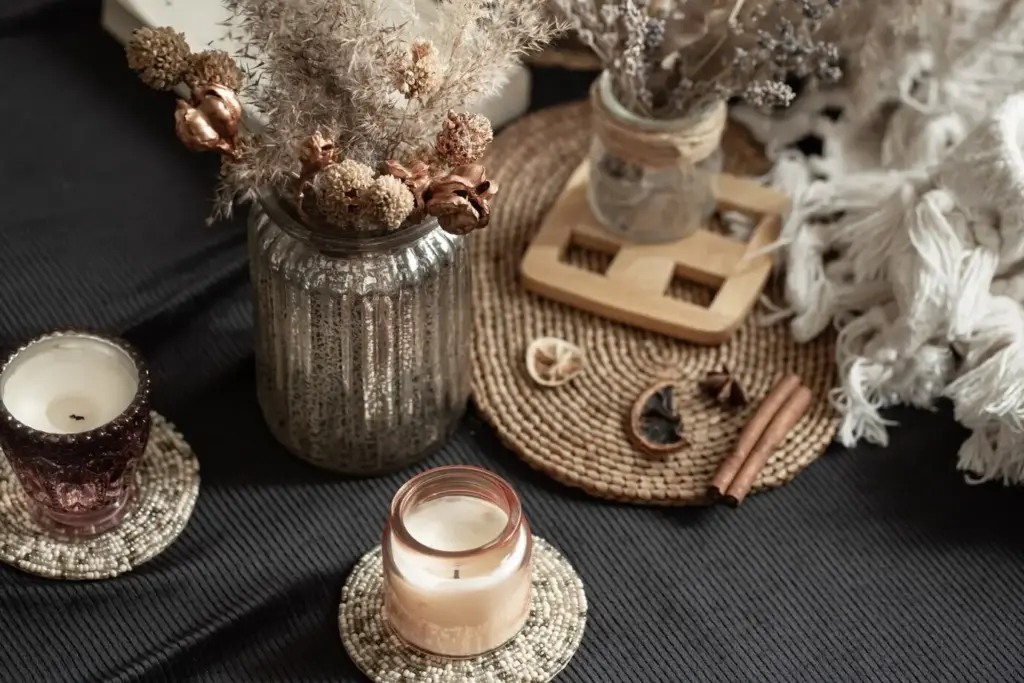
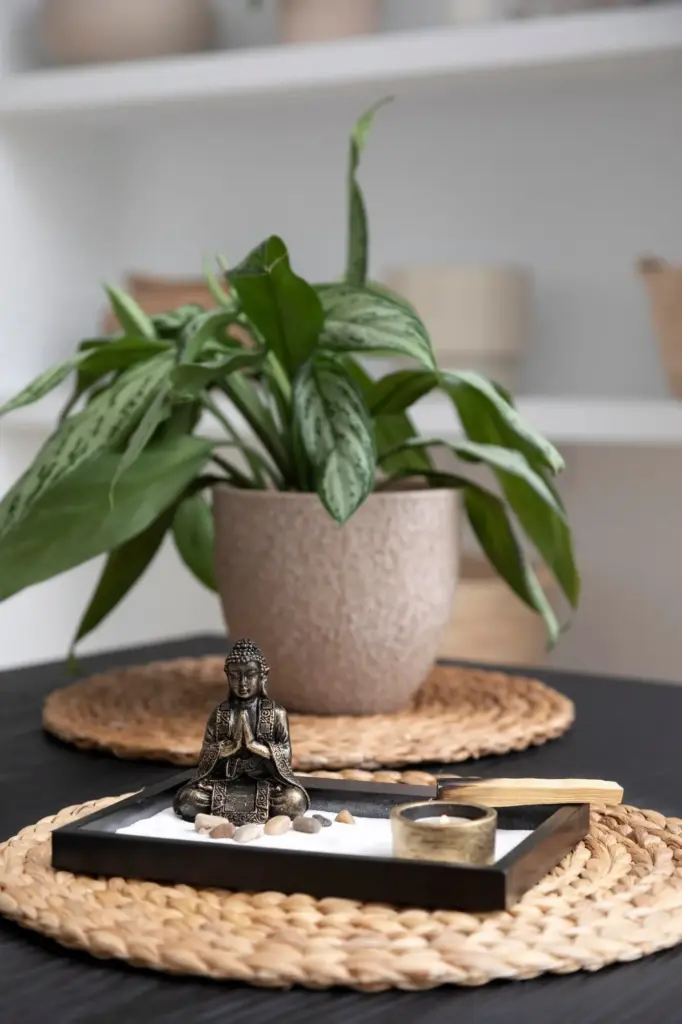
Today we explore creating digital passports for furniture, capturing provenance, repairs, and care histories so each piece carries its own living memory. From a studio-built stool to a century-old armoire, a well-structured record builds trust, unlocks circular value, and preserves craft. You will learn how to model essential data, choose resilient technologies, onboard both new and legacy items, protect privacy, and design repair-friendly workflows. Share your experiences restoring, buying, or selling furniture, and subscribe for case studies, templates, and practical checklists.

Trust Through Provenance

Provenance transforms a chair from an unknown item into a documented companion with lineage, makers, materials, and milestones. By capturing invoices, workshop signatures, and authenticated transfer events, you reduce fraud and speculation. Collectors gain confidence, retailers reduce returns, and owners feel proud to share credible stories. Encourage readers to add one verifiable origin detail this week and post their experience, seeding a habit of transparent documentation that compounds over time.

Sustainability and Circularity

When maintenance steps, materials, and prior repairs are recorded, refurbishing becomes easier and waste declines. A passport shows compatible finishes, joinery methods, and safe cleaning routines, enabling responsible choices rather than risky experiments. Rental programs, trade-ins, and refurbishing businesses rely on this clarity to accelerate circular flows. Readers can start by logging their next small care action, even an oiling session, proving that sustainability begins with ordinary, well-documented attention.

Anatomy of a Digital Passport

A strong passport balances essential identity data with flexible, extensible sections for materials, provenance, repairs, and care histories. It must be easy to read in thirty seconds yet robust enough for restorers who need detail. Think structured fields plus narrative notes and evidence files. Design for audits, exports, and longevity. Embrace standardized vocabularies where possible, while allowing custom tags. Readers will receive a schema checklist and real examples if they subscribe for updates and templates.

Technologies That Stand the Test of Time
Furniture outlives gadgets, so your technology choices must anticipate obsolescence, moisture, sunlight, and changing platforms. Labeling methods should be discreet, durable, and replaceable. Data storage should support exports and migrations. Offline fallback matters when workshops have poor connectivity. Aim for simple scans and human-readable backups. Elegant solutions combine low-cost tags with resilient cloud and local caches. Readers can comment on their preferred tagging methods to help others choose practical, reliable options without hype.

Onboarding New Builds and Beloved Heirlooms

Launching passports at production time is straightforward, yet many valuable pieces already exist in homes, studios, and auction houses. Plan two pathways: streamlined creation by makers, and respectful backfilling for legacy items. Photographs, receipts, and oral histories provide credible evidence when originals are missing. Build flexible confidence ratings to signal certainty without discouraging contributions. Encourage families to capture stories from elders now, preserving detail while memories remain fresh. Readers can upload one heirloom snapshot and start a simple record today.

01

Maker Workflow at Point of Creation

Integrate passport creation into the final quality check. Generate IDs, capture finishing recipes, verify materials, and photograph hallmark joints or signatures. Automate label printing and onboarding emails for initial owners. Offer batch tools for editions and bespoke handling for one-offs. Provide a compact tutorial card in the packaging so owners know how to access care guidance immediately. Makers can invite clients to subscribe to service reminders, strengthening relationships and securing future restoration work without intrusive marketing.

02

Backfilling History for Legacy Pieces

For older items, start with current observations, then work backward. Log wood species guesses with confidence levels, note prior replacements, and attach comparison photos from catalogs or museum references. Encourage owners to interview relatives about purchases, moves, and repairs. Tag uncertain facts clearly rather than omitting them. Over time, archivists or enthusiasts may refine entries. This gentle approach respects imperfect knowledge while still building a helpful record that guides safer cleaning, finishing, and valuation choices.

03

Imaging and Evidence Standards

Consistent photography transforms fuzzy claims into credible documentation. Use diffuse light, include a scale reference, and capture key angles: joinery, underside, hardware, and finish sheen. Keep original file names and metadata. Add quick videos for drawer action or chair flex. Scan paper receipts and annotate sources. A short checklist increases adoption dramatically. Readers can download a free shoot list on subscription, then share before and after photos of a recent clean to encourage community learning.

Service, Repair, and Thoughtful Maintenance

A passport shines brightest during care and repair. It guides technicians to compatible materials, warns about fragile finishes, and surfaces warranty or recall information. Owners learn practical routines that prevent costly damage. Shops log work cleanly, earning trust and repeat business. Small, consistent entries matter more than grand projects. Invite readers to report their favorite gentle cleaner or finishing oil, helping others avoid accidental damage to shellac, oil, lacquer, or water-based coatings across varied environments.

Technicians and Verification

Create profiles for technicians with portfolios, certifications, and specialties, then let owners invite them into specific records with time-limited access. Logging work with photos and material references raises repair quality. A reputation layer can highlight careful practitioners without excluding talented independents. Shops benefit from automatic service checklists generated from the passport’s materials and finish fields. Encourage readers to nominate trusted local restorers, building a living directory that reflects responsible, skillful craftsmanship instead of glossy advertisements.

Parts, Materials, and Compatibility

Track compatible hardware, finish brands, stain formulas, and upholstery fabrics, including dye lots and lead times. When parts are discontinued, document safe substitutes and their visible differences. Link to suppliers and sustainability notes. This saves hours during repairs and reduces mismatches that disappoint owners. Include notes about glue reversibility, clamp pressures, and curing windows. Ask readers to share one hard-to-find component source they rely on, enriching the database with practical, field-tested knowledge for future projects.

Care Routines Owners Actually Follow

Translate expert advice into seasonal reminders with simple actions: dust with a microfiber cloth, avoid direct heat, feed oil finishes sparingly, and rotate seating to distribute wear. Include do-not lists based on finish chemistry. Short, encouraging guidelines beat long, scolding manuals. Provide progress nudges and a friendly log that rewards consistency. Ask readers to commit to one care action this week and comment with a photo, inspiring others to treat everyday pieces with respect and attention.

Ownership, Privacy, and Elegant Transfers

Data Rights and Consent

Separate public identity and marketing-free essentials from owner-only details such as location or personal notes. Provide granular toggles and expiration windows for sharing with shops. Explain rights to export, delete, and challenge entries. Record consent events with timestamps and device fingerprints. Keep policies human-readable. If families share custody of a record, allow multiple roles. Ask readers which permissions feel confusing in other apps, and commit to examples that demystify choices without resorting to dense legal jargon.

Resale, Gifting, and Estates

Transfers should move the passport, not duplicate it. Create a guided handoff that validates the new custodian, preserves sensitive history, and grants optional contact forwarding. Auction houses can pre-stage records for winning bidders. Estates need bulk transfer tools with guardrails and reversible grace periods. Capture sale documents and condition notes at handover. Invite readers who have managed an inheritance or donation to share practical frustrations, helping evolve checklists that reduce emotional and administrative strain.

Compliance and Regional Nuances

Design for common regulations without making users study law. Default to minimal data collection, adopt clear retention schedules, and offer jurisdiction-aware prompts. Respect right-to-be-forgotten requests while preserving anonymized provenance integrity. Keep audit trails for changes and data accesses. Offer a transparency dashboard. Readers across regions can share local expectations or tricky cases, informing future updates that balance cultural norms, regulatory obligations, and the universal desire to keep furniture histories honest yet respectful.
Enxox
Privacy Overview

This website uses cookies so that we can provide you with the best user experience possible. Cookie information is stored in your browser and performs functions such as recognising you when you return to our website and helping our team to understand which sections of the website you find most interesting and useful.