


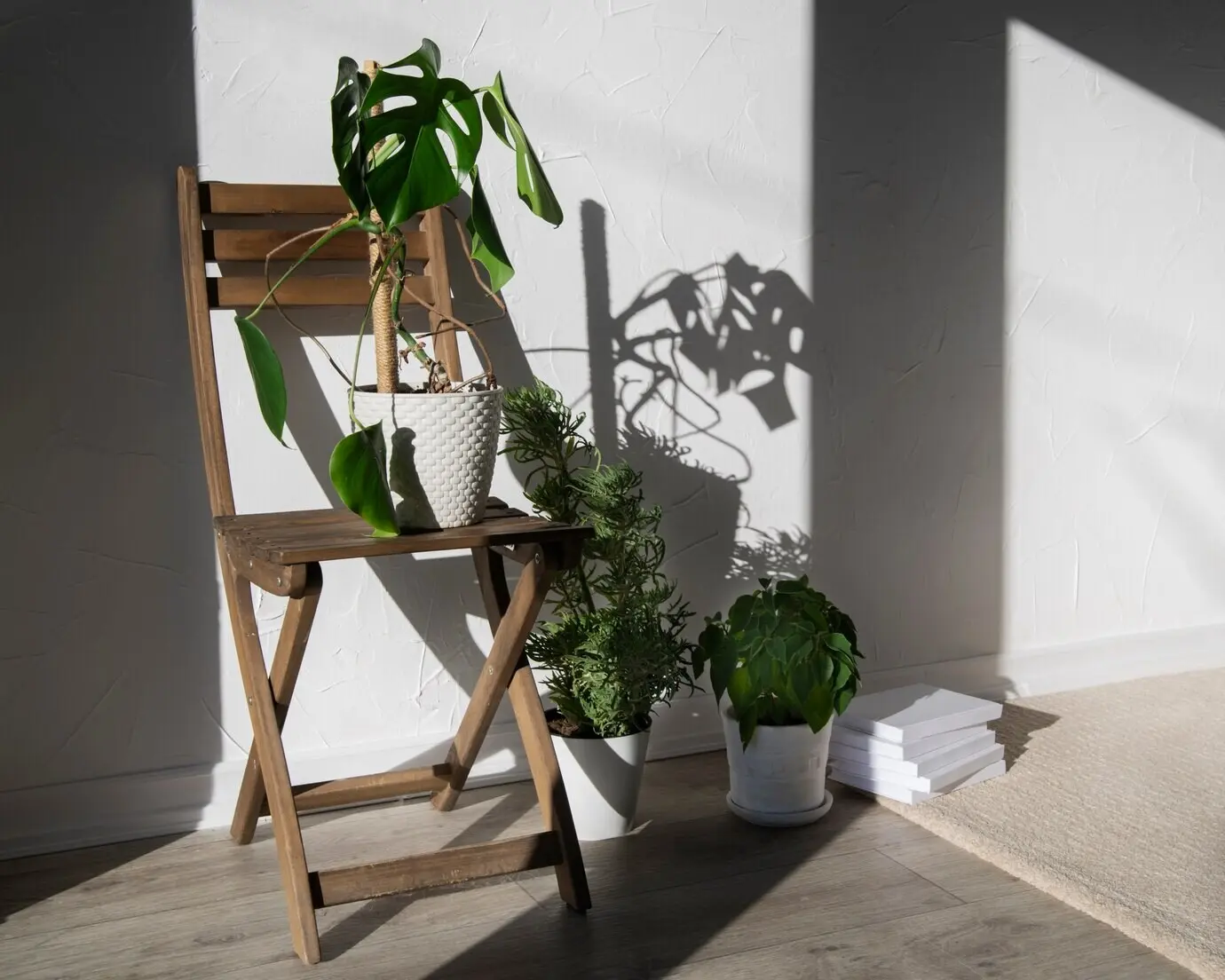
Your Space, Our Stories: Sustainable Style Rooted in Community

Today we explore Community-Sourced Decor: Embedding Local Stories in Sustainable Interior Styling, inviting you to shape rooms that honor neighbors, craftspeople, and landscapes. Expect practical steps, heartfelt anecdotes, and sustainable choices that protect resources while revealing identity. Share your memories, favorite markets, and maker tips as we transform walls and objects into living conversations.

Finding Stories in Everyday Objects

Street Markets, Sidewalk Treasures

Spend a morning walking vendor rows where repairs outshine gloss, meeting recyclers who rescue timber, tile, and brass. Ask about origins, negotiate fair prices, and document details. Each saved piece reduces extraction, supports livelihoods, and brings the cadence of local trade directly into your living room.

Family Archives, Gentle Conversations

Begin with consent and curiosity, not assumptions. Invite relatives to share the backstory behind quilts, tools, and photographs, then decide together which objects can safely become daily fixtures. When belongings remain, consider high-resolution scans or replicas, preserving dignity while weaving emotional continuity through sustainable, low-impact decorative choices.

Community Museums, Shared Memory

Visit small cultural centers and libraries that preserve neighborhood fragments others overlook. Ask archivists about deaccessioned materials or digital copies. By incorporating documented patterns, maps, and oral histories into fabric prints or wall graphics, you celebrate collective memory while avoiding wasteful purchases that would duplicate meaning without local grounding.

Ethical Sourcing and Sustainable Impact

Responsible interiors rely on traceability, consent, and durability. Treat every acquisition like a stewardship decision, weighing carbon, toxins, and community benefit. Choose reclaimed, repairable, and locally produced goods, then credit contributors openly. When people feel respected, stories flow freely, and sustainable beauty becomes a shared, repeatable practice.

Design Methods that Honor Place

Let streetscapes shape decisions instead of catalogs. Translate local rhythms into proportion, negative space, and circulation routes that encourage gatherings. Use modular furniture for adaptable hosting, and reserve walls for narratives that can evolve, ensuring sustainability by designing for change rather than temporary perfection.

Palette from Local Streets

Photograph storefront tiles, murals, storm drains, and seasonal produce crates. Sample their hues digitally or with paint chips, then build a restrained palette that reflects daily life. Limiting colors reduces waste from indecision while creating cohesion that feels authentic because it already lives outside your door.

Layouts that Invite Gathering

Arrange seating to face neighbors, not screens, and leave generous pathways for wheelchairs, strollers, and shared meals. Flexible rugs define zones without building new walls. When spaces welcome different ages and abilities, stories circulate naturally, making sustainability as social as it is material.

Patterns with Provenance

Before mimicking motifs, learn their origins through books, community elders, and artists. Commission adaptations when appropriate, documenting process notes directly on the back of framed pieces. Visible provenance deepens appreciation and invites conversation, ensuring beauty communicates respect rather than detached aesthetic convenience.

Collaborating with Local Makers

Partnership with carpenters, weavers, metalworkers, and ceramicists keeps skills alive and materials transparent. Share your objectives, budget, and timeline, then listen for their insights about sourcing and repair. Co-creation produces heirloom-quality pieces, strengthens local economies, and leaves behind knowledge that outlasts any single project.

Commissioning with Transparency

Begin with a simple brief that clarifies function, materials, finish, and maintenance expectations. Ask for detailed quotes listing labor hours and sources. Transparent agreements prevent misunderstandings, encourage fair pay, and make future repairs straightforward, turning furniture into an evolving collaboration rather than a disposable object.

Co-Design Workshops

Host small gatherings where neighbors sketch, vote on options, and test prototypes from cardboard or scrap wood. Makers translate these trials into durable pieces. The process builds pride and lasting attachment, reducing churn while ensuring the final result truly reflects shared values and local behavior.

Youth Apprenticeships and Skills Revival

Partner with schools or after-school programs to sponsor apprenticeships in upholstery, joinery, and finishing. Emerging artisans gain experience, homes receive careful work, and traditions continue. Your project becomes a training ground, multiplying impact and inspiring the next generation to value repair over replacement.

Curating Color, Texture, and Light from the Landscape

Let weather, flora, and neighborhood industry guide materials. Limewash echoes old masonry, salvaged denim softens acoustics, and planed beams bear tool marks worth celebrating. Daylight and shadows become daily storytellers, shifting across surfaces and reminding occupants that sustainable choices can feel luxuriantly alive.

Maintaining, Documenting, and Sharing the Story

Stewardship continues after installation. Keep records, repair schedules, and contributor credits accessible to visitors. Host occasional open-house afternoons or virtual tours, inviting feedback and new anecdotes. When stories keep moving, interiors remain relevant, and sustainability becomes a living habit instead of a static achievement.
Enxox
Privacy Overview

This website uses cookies so that we can provide you with the best user experience possible. Cookie information is stored in your browser and performs functions such as recognising you when you return to our website and helping our team to understand which sections of the website you find most interesting and useful.